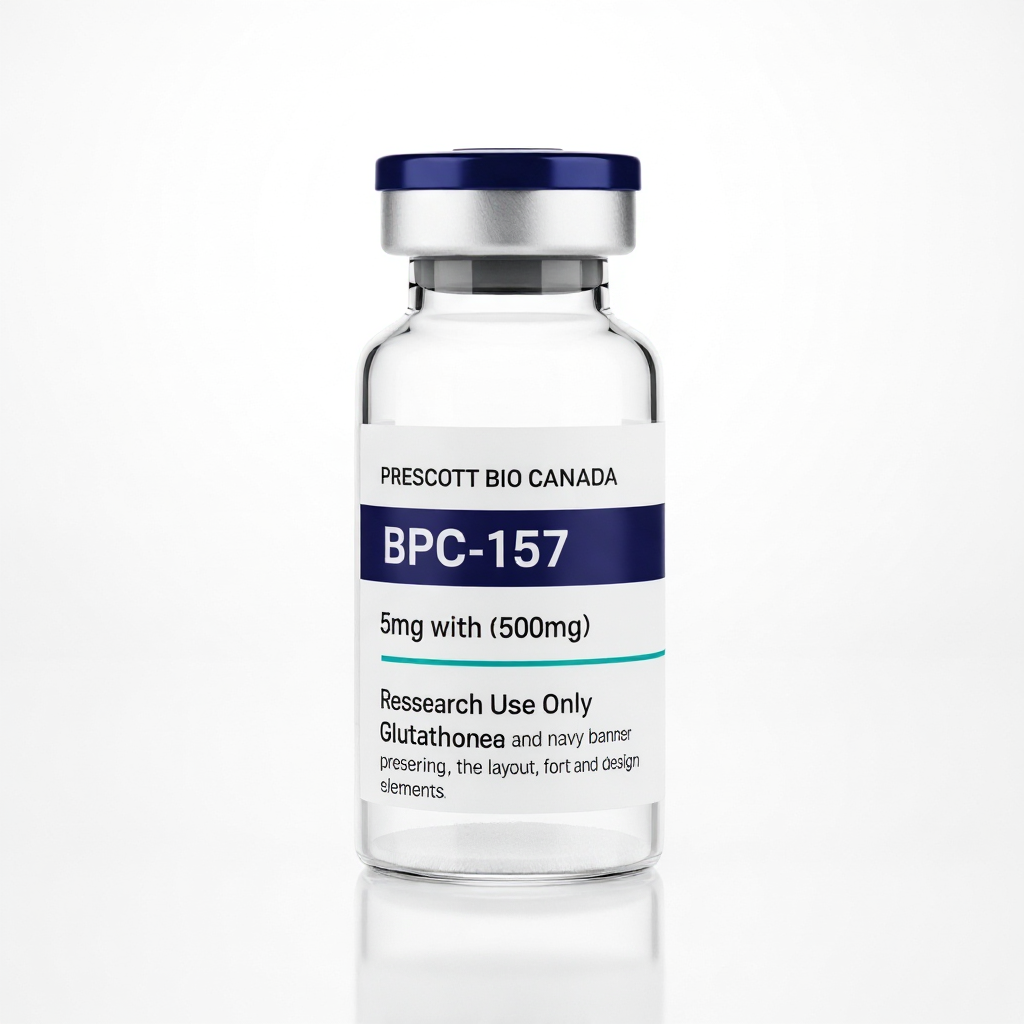
Description
Chemical Identity
Glutathione (GSH, L-Glutathione) is a tripeptide composed of glutamate, cysteine, and glycine with the molecular formula C10H17N3O6S and a molecular weight of 307.32 Da (CAS number 70-18-8). It is the most abundant intracellular antioxidant in mammalian cells, maintained at millimolar concentrations in virtually all cell types. The full chemical name is gamma-L-glutamyl-L-cysteinyl-glycine, reflecting the unusual gamma peptide bond between the glutamate side chain and cysteine.
Glutathione is synthesized endogenously in a two-step enzymatic process catalyzed by gamma-glutamylcysteine ligase and glutathione synthetase. The cysteine thiol group is the functionally active element, serving as the primary intracellular reducing agent. Glutathione exists in reduced (GSH) and oxidized (GSSG) forms, with the GSH:GSSG ratio serving as a critical indicator of cellular redox status.
| Property | Value |
|---|---|
| Molecular Formula | C10H17N3O6S |
| Molecular Weight | 307.32 Da |
| CAS Number | 70-18-8 |
| Sequence | Glu-Cys-Gly (gamma peptide bond) |
| Research Status | Preclinical (supplementation studies ongoing) |
Research Overview
Glutathione has been investigated across an extensive body of research spanning antioxidant defense, detoxification, immune function, neurodegenerative disease, and skin biology. The primary mechanisms involve enzymatic redox cycles that remove peroxides, conjugation of electrophiles via glutathione S-transferases (Phase II metabolism), reversible protein S-glutathionylation that modulates signaling, and regulation of stress and inflammatory cascades.
Selenium-dependent glutathione peroxidases (GPx) reduce hydrogen peroxide and lipid hydroperoxides using GSH, while glutathione reductase (GR) recycles oxidized GSSG back to GSH using NADPH, sustaining the cellular reducing environment. This cycle is fundamental to cellular homeostasis across all organ systems.
Key areas of published research include:
- Oral Bioavailability and Immune Function: Research published in the European Journal of Clinical Nutrition (2018) demonstrated that oral supplementation with liposomal glutathione elevates body stores of glutathione and markers of immune function, addressing longstanding questions about whether oral glutathione supplementation can effectively increase systemic levels.
- Neurodegenerative Disease: A Phase IIb study published in the Journal of Parkinson’s Disease (2017) evaluated intranasal glutathione in Parkinson’s disease, exploring the hypothesis that oxidative stress and glutathione depletion in the substantia nigra contribute to dopaminergic neuronal loss.
- Dermatological Applications: A randomized, double-blind, placebo-controlled study published in the Journal of Dermatological Treatment (2012) evaluated oral glutathione as a whitening agent, examining its effects on melanin synthesis and skin pigmentation through antioxidant-mediated modulation of tyrosinase activity.
Glutathione is widely available as a supplement but is not FDA-approved for any specific medical indication. Research continues on optimizing delivery methods to overcome bioavailability challenges.
Specifications
All Glutathione supplied by Prescott Bio Canada is manufactured to research-grade standards.
| Specification | Detail |
|---|---|
| Purity | >98% (HPLC) |
| Form | Lyophilized powder |
| Appearance | White to off-white powder |
| Storage (lyophilized) | -20°C, protected from light |
| Storage (reconstituted) | 2-8°C, use within 30 days |
| Solubility | Soluble in bacteriostatic water, sterile water, or normal saline |
Each vial is accompanied by a Certificate of Analysis (COA) documenting purity, identity, and endotoxin testing.
Research Applications
Glutathione is supplied exclusively for in vitro and in vivo laboratory research. Published experimental applications include:
- Oxidative stress and antioxidant defense mechanism research
- Phase II detoxification and glutathione S-transferase studies
- Immune function modulation and immunological research
- Neurodegenerative disease models including Parkinson’s and Alzheimer’s research
- Cellular redox signaling and protein S-glutathionylation studies
- Bioavailability and delivery optimization research (liposomal, intranasal)
Researchers should consult the primary literature and institutional review protocols before designing experiments with Glutathione.
Storage and Handling
Lyophilized powder: Store at -20°C in the original sealed vial, protected from light and moisture. Under these conditions, Glutathione maintains stability for up to 24 months. The reduced form (GSH) is susceptible to oxidation; minimize exposure to air.
Reconstituted solution: Reconstitute with bacteriostatic water or sterile water to the desired concentration. Store reconstituted Glutathione at 2-8°C and use within 30 days. Avoid repeated freeze-thaw cycles. Prepare solutions fresh when possible, as the thiol group is prone to oxidation in solution.
Handling precautions: This product is intended for research use only (RUO). Not for human or veterinary diagnostic or therapeutic use. Handle using standard laboratory safety practices including appropriate PPE.